
Isn’t it interesting how we can say we want something so badly, yet if we were being observed by someone (maybe a fly on the wall?), our actions might tell a different story?
When it comes to following through on our commitments, one thing is certain:
The more compelling your reason, the more committed you’ll be to the outcome.
You’ve likely seen this play out in your own life.
Someone has a heart attack or receives a serious diagnosis, and the very next day, they dramatically change their diet or give up smoking cold turkey.
I’ve worked with women who thought they could never give up their nightly glass (or two) of wine.
Then they become pregnant—and suddenly, it’s not even a question. Sure, maybe they still have cravings, but in their mind, drinking is no longer an option.
These are examples of powerful, compelling reasons. But often, we don’t have something quite so urgent driving us.
When the Stakes Don’t Feel High Enough
I’ve had countless conversations with women who say they want to stop overeating, but the desire alone isn’t always enough.
Overeating provides them with something: pleasure, relief, distraction, comfort, or entertainment.
And if the consequences aren’t particularly painful, the behaviour continues.
This is especially true for women who don’t struggle much with weight—maybe they’d like to lose a few pounds, but overall, they can “get away with it.”
In those cases, the benefit of overeating (momentary relief or pleasure) outweighs the cost.
But for others, the side effects are harder to ignore—
IBS symptoms, digestive issues, energy crashes, or brain fog.
For them, those physical consequences may be the more powerful motivator, not just the number on the scale.
What Makes a Reason Truly Compelling?
In general, the more pain or discomfort you’re experiencing, the stronger your reason becomes to make a change.
But sometimes, you have to dig deeper to find a reason that actually moves you into action.
For some women, that reason is a future version of themselves they can clearly see but haven’t yet become. They know their current reality doesn’t reflect the life they’re meant to be living.
For others, the reason is about showing themselves what they’re truly capable of—and being an example for their children, partners, or loved ones.
And yes, for some women, it’s simply wanting to feel good in their clothes again.
If that’s a powerful enough driver for you, that’s valid.
Short-Term Motivation Isn’t Always Enough
Sometimes I hear things like:
“I just want to feel confident for my sister’s wedding.”
“I want to look great in this outfit for the reunion.”
These are valid motivators, but ask yourself:
What happens after the event is over?
Will you maintain the habits you’ve built—or revert to what feels familiar?
If your reason is short-term, your results may be too.
What’s Your Reason?
If you’re serious about creating lasting change, take a moment to reflect.
What’s your reason?
What will anchor you in the moments when motivation fades?
It doesn’t have to be dramatic.
But it does have to matter deeply to you.
The more compelling your reason, the more committed you’ll be.
And the more committed you are, the more inevitable your results become.
~ Elaine
Ready to permanently lose weight, stop overeating, and create a more peaceful relationship with food?
Learn more about my private 1:1 program here.
Download a copy of my Elegant Eating Handbook to learn timeless strategies for lasting weight loss and a peaceful relationship with food.

Hi! I’m Elaine, a Certified Nutritionist and Master Certified Health Coach. I support women in achieving their health and body goals while prioritizing a peaceful and balanced relationship with food.
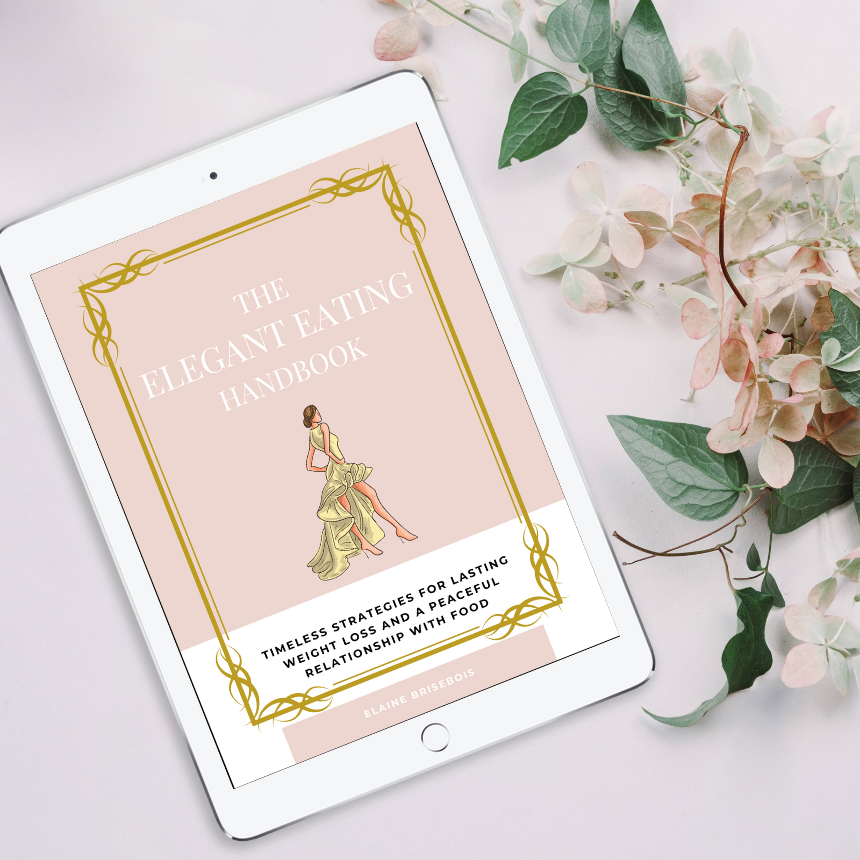
Get a free copy of my handbook!
The Elegant Eating Handbook: Timeless Strategies for Lasting Weight Loss and a Peaceful Relationship with Food.
share with friends
keep reading...



[…] your purpose. And it has to be compelling enough to keep you going when things get hard, because they […]