
I’m often asked for my thoughts on various types of diets—and whether there’s one in particular that I recommend to clients.
Do I recommend going low-carb?
What about Keto? Paleo? Vegetarian?
The truth is, I don’t recommend any one specific diet—
Except, perhaps, this:
A diet that’s diverse in minimally processed whole foods, in the right quantities for you.
Beyond that? It’s highly individual.
We all have different starting points, preferences, and goals—whether those goals relate to body composition, performance, or overall health.
(Personally, I’d never separate health from achieving the former.)
I believe that most foods can fit, and can be included to varying degrees.
That said, there are undoubtedly healthier and less healthy options. Some foods may support your needs; others might work against them.
Not all foods need to get a participation ribbon when it comes to your diet.
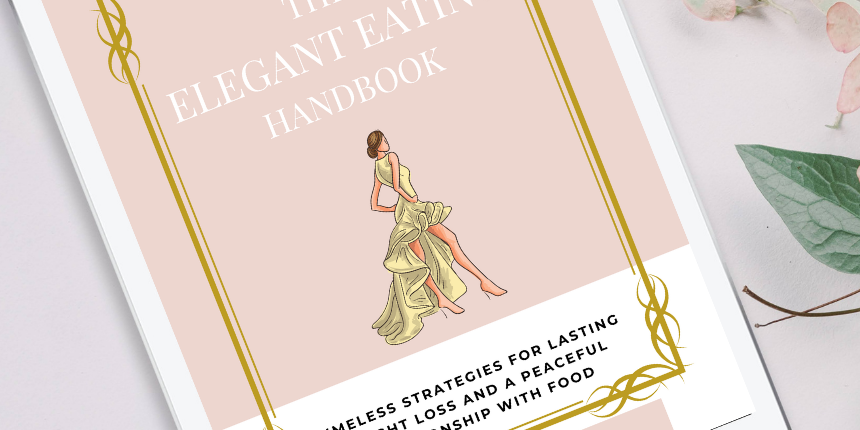
In terms of the types of foods I generally recommend, how to balance them for fat loss, and a simple formula for building your plate, I actually summed this up in the first chapter of The Elegant Eating Handbook.
📥 (Download a free copy here.)
Or, you can read the excerpt from Chapter One below…
The Elegant Eating Handbook: Timeless Strategies for Lasting Weight Loss and a Peaceful Relationship with Food
Chapter One: Simplify Your Plate – Return to Real Food
Introduction
Michael Pollan’s timeless advice sums it up perfectly:
“Eat food, not too much, mostly plants.”
Focusing on minimally processed whole foods is the simplest way to improve your diet and overall health. Our bodies are designed to thrive on these, and when we give them what they truly need, everything—energy, digestion, and even weight loss—tends to improve.
Whole Foods: A Simple Return to Basics
When I talk about whole foods, I’m referring to:
- Vegetables
- Fruits
- Nuts and seeds
- Beans and legumes
- Whole grains
- Eggs; dairy
- Seafood, meat, and poultry
These are the foods our bodies evolved to eat, and the more we stick to them, the better we feel.
Why Whole Foods Matter
It’s no secret that the quality of what we eat dramatically impacts our health. Diets rich in minimally processed whole foods are consistently linked to lower rates of heart disease, cancer, depression, and type 2 diabetes.
These foods are naturally higher in fibre, water, and protein while being lower in calories, which helps keep you full and satisfied. This makes it easier to manage both your appetite and calorie intake without obsessing over every bite.
Watch the High-Energy Dense Foods
While whole foods are great, it’s essential to be mindful of portion sizes for high-calorie foods like:
- Nuts and nut butter
- Cheese
- Avocado
- Oil (i.e. olive, avocado, coconut)
A little goes a long way, so pay attention to portions, especially when you’re trying to lose weight.
The Power of Protein
Protein is essential for supporting weight loss and overall health. It’s more than just a building block for muscle—it helps control hunger, stabilize blood sugar, boost metabolism, and preserve lean mass during weight loss.
Protein is also highly satiating, meaning it helps you feel full for longer. By prioritizing high-quality protein sources such as lean meats, eggs, fish, beans, and legumes, you’ll nourish your body while staying on track with your weight loss goals.
Balancing Fats and Carbs for Weight Loss
A good rule of thumb: if your meal is higher in fat, include fewer carbs, and vice versa.
Many women have a carb “sweet spot” for weight loss, which depends on factors like insulin sensitivity and activity level. Stick to whole-food carbs such as fruit, root and tuber vegetables, beans, and whole grains to control cravings and avoid overeating.
Take Action: Create a Whole-Food Plate
Next time you prepare a meal, try this simple strategy:
- Fill half of your plate with non-starchy vegetables (spinach, cauliflower, broccoli, etc.)
- Add a lean protein source (chicken, seafood, eggs, etc.)
- Round your plate with whole-food carbs (winter squash, potatoes, beans, whole grains, etc.) and healthy fats (avocado, seeds, olive oil, etc.)
This balance helps fuel your body, keeps you satisfied, and supports weight loss.
Key Takeaway
Aim to make minimally processed whole foods the foundation of your diet. They nourish your body, improve your health, and help maintain a balanced energy intake—no calorie-counting app required!
Reflective Prompt
Take a moment to assess your current diet.
How many whole, minimally processed foods are you eating regularly?
What’s one simple swap you can make this week to replace a processed food with a whole food?
📥 To continue reading Chapters Two through Six, [download a free copy of the handbook here.]

Hi! I’m Elaine, a Certified Nutritionist and Master Certified Health Coach. I support women in achieving their health and body goals while prioritizing a peaceful and balanced relationship with food.
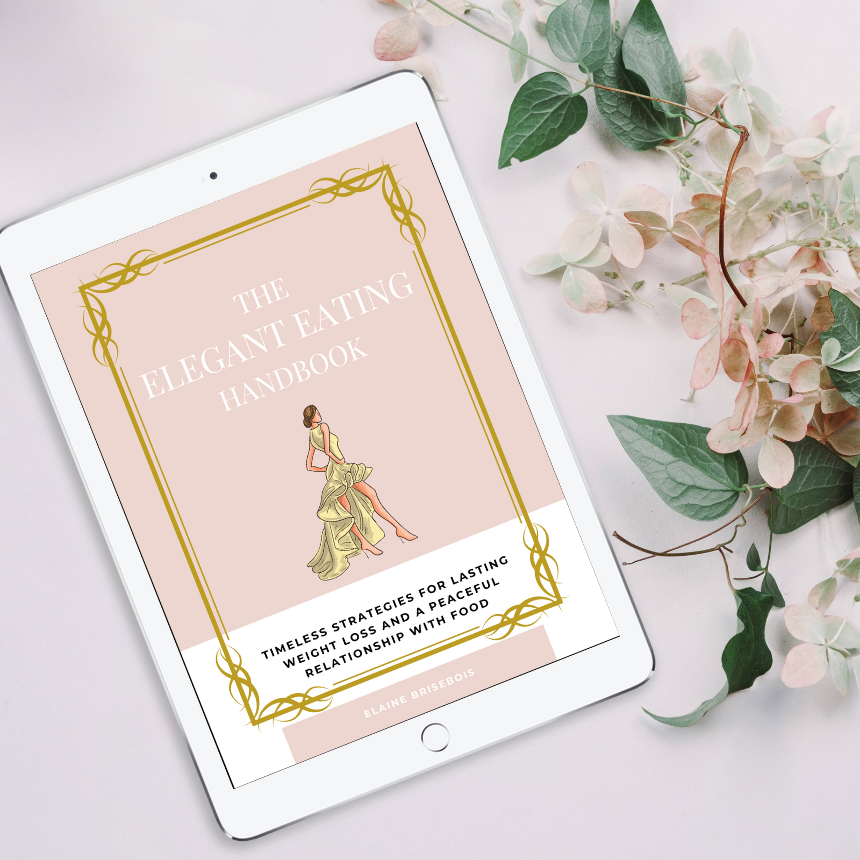
Get a free copy of my handbook!
The Elegant Eating Handbook: Timeless Strategies for Lasting Weight Loss and a Peaceful Relationship with Food.
share with friends
keep reading...



[…] more whole foods and less heavily processed […]