
When you’re tempted to “rebel” against your food plan, pause and ask yourself these three questions.
They’ll help you slow down, reflect, and bring clarity to any eating decision, whether you stick to your plan or decide to make a change. While this post focuses on food choices, you can apply these same questions to movement, sleep, time management, or any other lifestyle habit you’re working to improve.
First, a quick distinction.
It’s perfectly normal to deviate from your plan from time to time.
Even with the best of plans, there will be moments when you want to change course.
However…
If you’re regularly breaking your plans and feeling the urge to “rebel,”
You likely have a planning problem, not a follow-through problem.
In that case, the solution might be to create a plan you don’t want to rebel against.
Still, when you do find yourself tempted to break your plan, these three questions can help.
1. Why is this an option now, but it wasn’t when I created my plan?
Why is it an option?
This question assumes you made your plan with care—that you had your best interests and long-term goals in mind when you created it.
And now, in the moment, you’re leaning toward comfort and convenience over what you want most in the long run.
The situation might call for embracing short-term discomfort to serve your bigger goals—or it might be a sign that your plan needs to be more realistic next time, so it’s easier to stick to consistently.
2. How does this choice support my goals?
Sometimes, it’s clear that it doesn’t. However, at other times, it may support your goals differently.
For example, if you brought a healthy lunch to work but a coworker invites you out, it might be a chance for connection, which could be just as important to you. And you can still make a supportive food choice at the restaurant; it doesn’t have to be all or nothing.
On the other hand, if you already eat out frequently or have plenty of chances to connect with this coworker, sticking to your original plan might serve you better right now. You can always invite her to join you in the staff room or make plans to go out another day.
You get to decide, but…
3. Will I be content breaking my plan and stand behind my choice?
If yes—great! Carry on, and return to your plan at the next opportunity.
If the answer is no—or you expect to feel guilty or regretful later—practice allowing that desire (to change your plan) to exist without acting on it.
Or, make the best choice possible given the situation. It might differ from your original plan, but you can still feel good knowing you took care of yourself and didn’t “throw in the towel” just because things weren’t perfect.
Circumstances change. Don’t use your plan against yourself.
Your plan should have some built-in flexibility—otherwise, you’ll always find a reason to break it.
Final Thoughts
And if, after answering these questions, you still want to “rebel”?
Just remember:
You can also rebel against the rebellious part of you who always wants to abandon the plan—
Not the version of you who had her best interests in mind when she made the plan.
~Elaine
P.S. Ready for personalized support?
If you’re looking to lose weight for good, break free from mindless overeating, build sustainable habits that genuinely improve your life, and enjoy a more peaceful, pleasurable relationship with food—my 1:1 coaching program may be exactly what you need.
Click here to get all the details + apply for a free Clarity Consult.
We’ll talk about where you are now, where you want to go, and map out a clear, doable strategy to help you get there.

Hi! I’m Elaine, a Certified Nutritionist and Master Certified Health Coach. I support women in achieving their health and body goals while prioritizing a peaceful and balanced relationship with food.
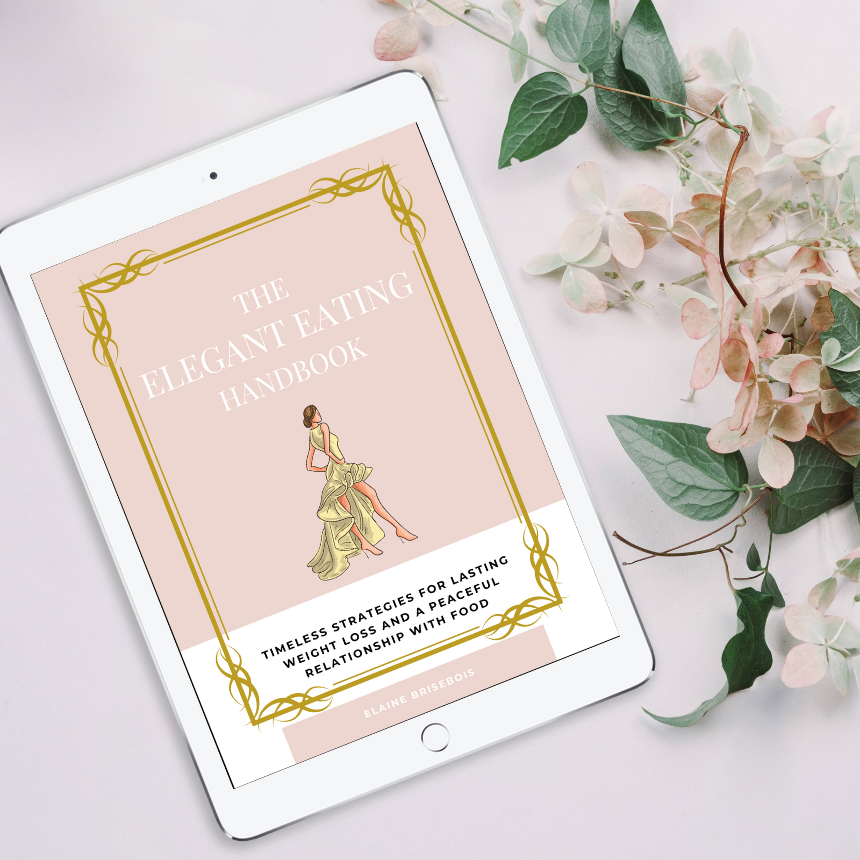
Get a free copy of my handbook!
The Elegant Eating Handbook: Timeless Strategies for Lasting Weight Loss and a Peaceful Relationship with Food.