
If your goal is to lose weight or get healthier, it’s essential to have an eating strategy that actually works for you.
It’s common to see people jump from one diet to the next, blaming the diet itself when they don’t get the results they want.
As if the diet holds all the power.
This is why I help my clients build a protocol that suits their unique preferences, goals, and lifestyle—one that puts them in the driver’s seat.
(For context, I use the term protocol interchangeably with food plan, and it often includes supportive parameters beyond just the food itself.)
The most important piece? My clients co-create their protocol.
I offer recommendations, structure, and plenty of guidance—but ultimately, they choose what they’re willing to commit to in both the short and long term.
Because if I were to just hand over a meal plan to follow, it would feel like another external set of rules to follow—or rebel against. And that’s not empowering, nor is it effective.
The 3 Components of a Successful Food Plan
When it comes to lasting results, every effective diet, protocol, or food plan must include three key components:
1. Quality
This refers to the nutrient density of the foods we eat—and it directly impacts our health.
When we eat a wide variety of nutrient-rich foods—especially whole, minimally processed options rich in micronutrients (vitamins and minerals), phytonutrients (plant-based compounds that support health), fibre, and water—it improves how our bodies feel and function.
A quality diet supports every system: metabolic, digestive, hormonal, reproductive, psychological, and more. It helps us feel better day-to-day and makes it easier to stick with healthy habits—not because we should, but because we genuinely want to.
2. Quantity
This refers to how much we eat, and it primarily affects our weight and body composition.
Yes, it’s entirely possible to overeat “healthy” food.
Eating well doesn’t automatically lead to fat loss or body recomposition unless quantity is also addressed.
Here’s the breakdown:
- Total quantity (i.e. calories consumed) influences body weight, alongside your energy expenditure.
- Macronutrient ratios (protein, carbs, fats) affect body composition—how much lean mass you retain, your muscle definition, and your overall physique.
- For example, a moderate-to-high protein intake helps preserve lean mass and supports a leaner look, even when total calories are kept consistent.
This doesn’t mean you need to track every calorie, but being mindful of portions and overall intake is still essential.
And even if fat loss isn’t your main goal, chronically eating beyond your needs can negatively affect metabolic health, digestion, and energy levels.
3. Sustainability
This refers to whether your plan is something you can stick with long-term.
Ask yourself:
- Does it allow for flexibility?
- Can you include foods you enjoy?
- Does it work with your lifestyle, schedule, and social life?
Sustainability doesn’t mean zero effort or discomfort. But when your plan is enjoyable, realistic, and adaptable, it becomes something you’re willing to keep showing up for.
And when you know you don’t have to miss out on life, you’re far more likely to accept the occasional challenge or tradeoff as part of the process, not a reason to quit.
Putting It All Together
To create lasting results, you need all three components working together:
- Quality for overall health and well-being
- Quantity to reach and maintain your desired weight and body composition
- Sustainability to ensure long-term adherence
Most people focus on one or two—and neglect the rest.
Some eat very “clean” (Quality) but consistently overeat (Quantity). Others control calories (Quantity) but feel low-energy and unsatisfied from poor-quality meals. Still others do well with both Quality and Quantity, but their plan collapses on weekends, vacations, or social events (Sustainability).
That’s why consistency, not perfection, is what drives results.
Analyze and Adjust
No plan works without follow-through.
You need to track your inputs and assess what’s working, what’s not, and where the gaps are. That means collecting feedback—not just from the scale, but from your body, energy, digestion, hunger levels, and emotional state.
Once you have that feedback, you can tweak, refine, and keep building momentum.
And once the structure is in place, you can begin the deeper work:
- Building the skill of showing up and following through (even when you don’t feel like it)
- Using food in its appropriate context, not as a means to soothe, entertain, or distract.
~Elaine
P.S. If you’re tired of spinning your wheels with your eating and weight and ready for a permanent solution, my signature 1:1 program might be a great fit.
This is for you if you desire personalized, high-level support in reaching your weight and body goals and overcoming your struggles with food.
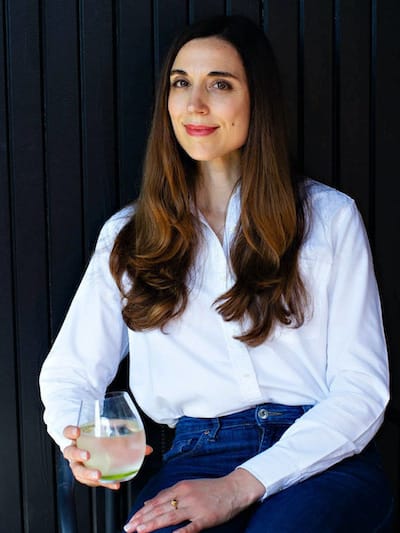
Hi! I’m Elaine, a Certified Nutritionist and Master Certified Health Coach. I support women in achieving their health and body goals while prioritizing a peaceful and balanced relationship with food.
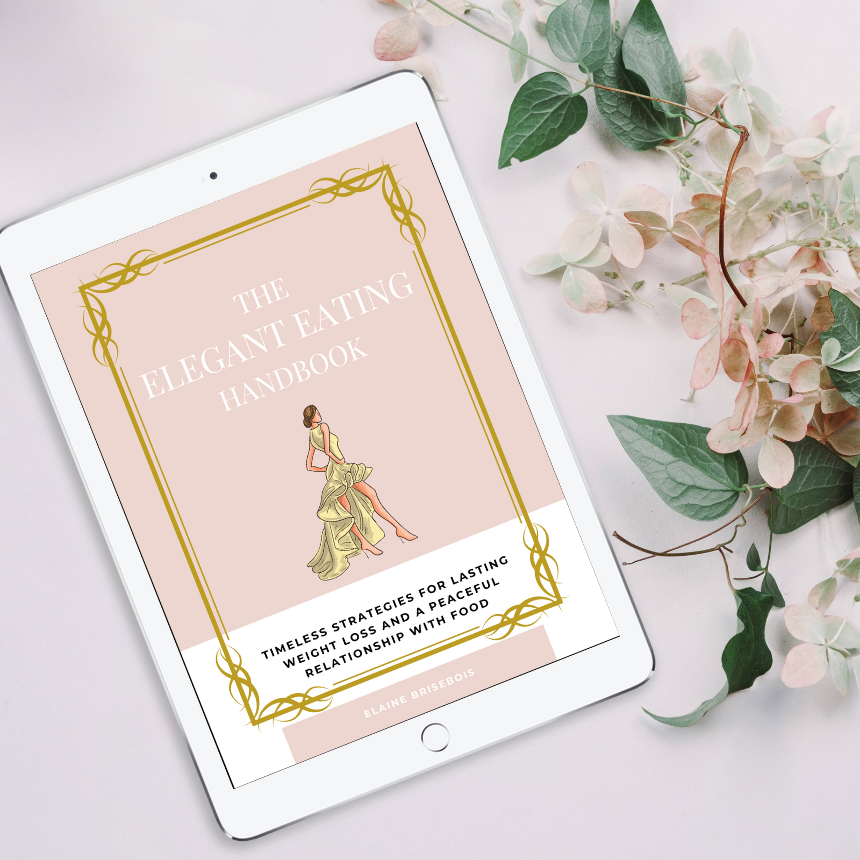
Get a free copy of my handbook!
The Elegant Eating Handbook: Timeless Strategies for Lasting Weight Loss and a Peaceful Relationship with Food.