“I eat really healthy… but the scale won’t budge.”
This is a common complaint I hear.
You’re not gaining weight, but you’re not losing it either. So what’s going on?
When I start asking deeper questions about eating habits, I often uncover familiar patterns—especially among women who are genuinely trying to eat well but aren’t seeing the results they want.
If that sounds like you, here are three common culprits to watch for:
1. Overeating “Healthy” Calorie-Dense Foods
Think avocados, nuts, nut butter, olive oil, and dried fruit. These are all considered healthy by most standards, but that doesn’t mean they can be eaten in unlimited quantities.
They’re calorically dense, meaning they provide a lot of energy (calories) in a small volume. You can consume a high number of calories in a relatively small portion without feeling particularly full or satisfied.
Yes, some diets—such as the keto diet—emphasize high-fat foods. But they also limit carbohydrates, which naturally lowers overall calorie intake for many people. Fat loss still comes from a calorie deficit, not because fat itself is inherently fat-burning.
Take dried fruit: it’s essentially concentrated sugar and calories. A few tablespoons of dried cranberries on a salad? Totally fine. But snacking on a full bag of dried mangoes? That adds up fast.
Nuts are another common culprit. A small handful—about 180–200 calories—is easy to double or triple without registering much satiety. That’s why I don’t typically recommend them as a go-to snack during fat loss phases—unless you’re good at pre-portioning. And trail mix? Save it for an actual hike.
Even dark chocolate has its place. But are you stopping at a few squares or finishing the whole bar?
And then there’s alcohol. It may not be food, but it still contributes calories and can lower dietary restraint. That nightly glass of wine? It might be sabotaging your progress, even if it’s “heart-healthy” red.
Bottom line:
Even healthy foods (and drinks) can hinder fat loss when portion sizes are left unchecked. Try balancing energy-dense foods with plenty of high-volume, low-calorie options, such as vegetables and fruits, to feel more satisfied while staying in a calorie deficit.
2. Healthy Baking (Too Much of a Good Thing?)
Think almond flour cookies, coconut flour pancakes, or those gluten-free, vegan muffins from your favourite coffee shop. Just because a baked good is made with “better” ingredients—like maple syrup, coconut sugar, dates, or almond flour—doesn’t mean it’s low in calories or ideal for fat loss.
Yes, these ingredients may be less processed and offer a different nutrient profile compared to white flour and refined sugar. But they’re still calorie-dense and can spike blood sugar, especially in large amounts, which may increase cravings later.
These kinds of “healthified” treats can also feel virtuous, which sometimes leads us to eat more of them. But your body doesn’t necessarily register them as any different from traditional baked goods in terms of energy intake.
That’s not to say healthier baking can’t be helpful. For some people, it’s a great way to enjoy a treat without the gut issues or sugar crashes that come from conventional ingredients. But it still comes down to how much you’re actually eating.
Be honest with yourself:
- Will you share the batch, or are you likely to polish them off yourself by the next day?
- Can you enjoy one or two and put the rest away, or do they trigger overeating or bingeing?
If you already struggle with overconsumption or cravings, even healthier treats can become a slippery slope. Proceed with caution.
3. Over-Restricting During the Week, Then Going “All Out” on the Weekend
This is the classic “clean all week, indulge all weekend” cycle.
During the week, you eat perfectly—salads, green smoothies, and protein-packed meals. Then Friday rolls around and it’s: “Bring on the wine, snacks, pizza, and dessert—I’ve earned it!”
But here’s the problem: If you’re too strict during the week—relying on willpower and eating too little—you often end up feeling overly hungry and deprived. By the time the weekend hits, that willpower muscle is worn out, and the rebound overeating begins.
Even if you create a calorie deficit from Monday to Friday, the excess from Friday night through Sunday can easily wipe it out—or even put you into a surplus.
You don’t need to cut out all fun to lose fat.
You don’t need to eat perfectly every day.
But you do need some consistency.
Instead of swinging between restriction and indulgence, aim for a balanced approach you can maintain long-term:
- Include meals you actually enjoy during the week
- Don’t under-eat during the day (especially protein—it helps regulate appetite)
- Plan your treats intentionally, not impulsively
- And remember: a treat meal is very different from a treat weekend
Aim for 80% consistency—not 100% perfection done sporadically.
You’ll feel better, stay more consistent, and make better progress.
The Common Denominator: Overeating
Notice the pattern?
In all three examples—whether it’s overdoing healthy fats, “clean” baking, or weekend indulgences—the common denominator is overeating, often without even realizing it.
Even when your diet is full of nutrient-dense, whole foods, calorie balance still matters—especially if fat loss is the goal. And in many cases, people aren’t fully aware of how much they’re consuming throughout the day or week.
The bottom line?
Eating healthy is a great start, but when it comes to fat loss, how much you eat still matters. Getting honest about your habits (without guilt) is the first step toward creating real, lasting change.
Want Help Getting Unstuck?
If you’ve been eating healthy but still can’t lose weight, chances are you don’t need a stricter plan—you need better strategy, structure, and support.
Inside my 1:1 coaching program, I help women:
- Identify and overcome hidden overeating patterns
- Build a simple, satisfying way of eating that lasts
- Escape the all-or-nothing food trap for good
- Lose weight sustainably—without cutting out the foods they love
👉 Click here to learn more about working with me 1:1
Let’s simplify things—and get you results.
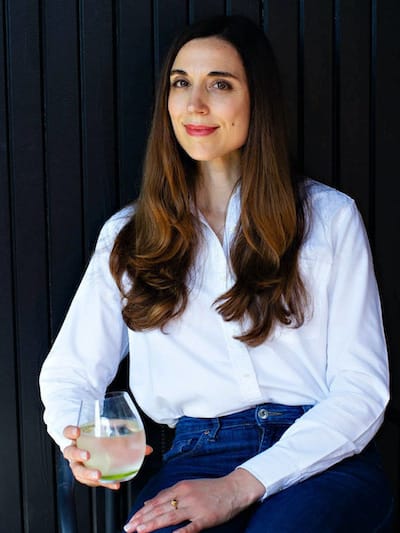
Hi! I’m Elaine, a Certified Nutritionist and Master Certified Health Coach. I support women in achieving their health and body goals while prioritizing a peaceful and balanced relationship with food.
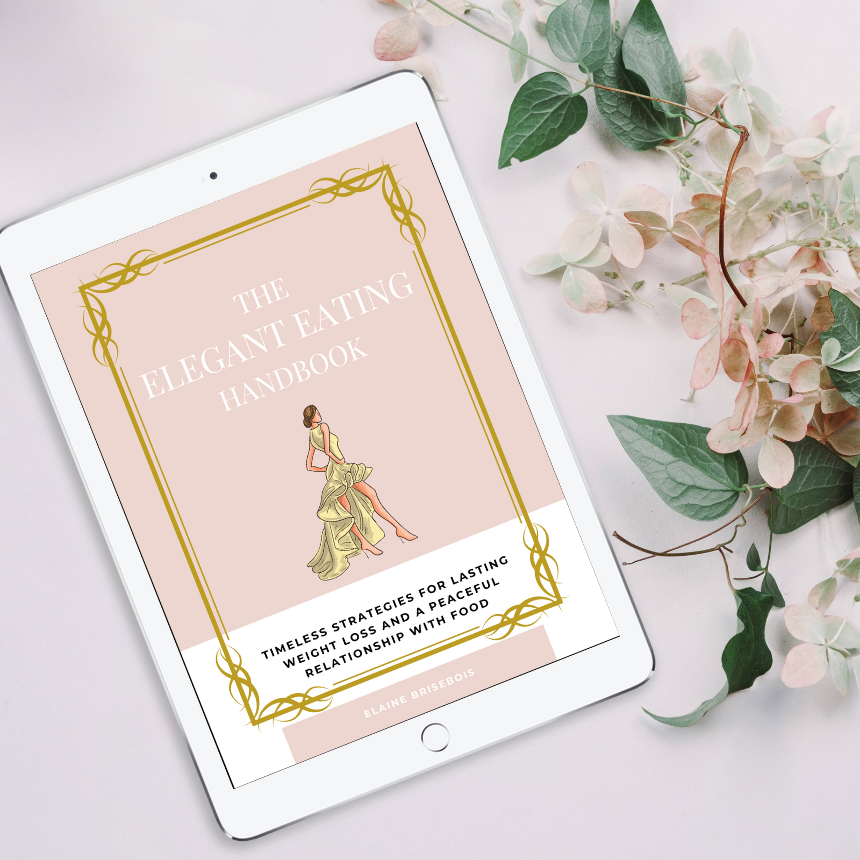
Get a free copy of my handbook!
The Elegant Eating Handbook: Timeless Strategies for Lasting Weight Loss and a Peaceful Relationship with Food.