
If you’ve been reading my content for a while, you know I emphasize sustainable, personalized strategies when it comes to eating—and yes, losing weight.
I’m not a fan of fad diets that ask you to cut out (or drastically restrict) entire food groups, follow long lists of off-limits foods, or keep restarting every Monday because the plan falls apart by the weekend.
When it comes to what works, the most important thing is this:
Your approach must be something you can sustain—healthfully and enjoyably—over the long term.
That Brings Us to the Question of Calories:
Should you be tracking them to lose weight?
Let’s Start With the Basics
If your goal is fat loss, you’ll need to create a calorie deficit—meaning your body has to expend more energy than it takes in.
That deficit can be created through:
- Eating fewer calories
- Increasing physical activity
- Or (ideally) a combination of both
Now, before you panic and picture yourself starving, let’s clarify something important:
Creating a calorie deficit does not require counting every calorie that goes into your mouth.
But that doesn’t mean calories don’t matter. They absolutely do.
Why I Don’t Recommend Calorie Counting for Most Clients
Even though I teach the science of energy balance, I don’t recommend calorie counting as a long-term strategy for most people.
(Now, if you’re a competitive athlete, model, or preparing for a bikini shoot—that may be a different story.)
Why?
Because there are plenty of ways to create a calorie deficit without turning every meal into a math equation or obsessively logging every bite in an app.
Practical strategies that help you reduce calories on autopilot include:
- Limiting snacking between meals
- Increasing high-volume, low-calorie foods (like fruits and vegetables)
- Timed eating
These tactics can naturally reduce energy intake, without requiring you to think about it all day long.
Are All Calories Created Equal?
A calorie is just a unit of energy, and in that sense, they’re all equal.
But the source of those calories can have a very different impact on how full you feel, how your body digests food, and how your metabolism responds.
For example:
- Highly processed foods are more quickly and fully absorbed, meaning your body extracts more usable energy from them.
- Whole, unprocessed foods often require more energy to digest and metabolize, and not all of their calories are fully absorbed. This is especially true for high-fibre foods and certain whole plant foods, such as nuts and legumes, where some of the energy remains trapped in their natural structure.
- Foods higher in protein or fibre tend to be more filling, so you naturally eat less overall.
So while energy balance matters, food quality influences:
- How full you feel
- How your body handles what you eat
- How likely you are to stay consistent
When Calorie Tracking Can Be Helpful
Short-term tracking can serve as a helpful educational tool.
Many people unknowingly:
- Underestimate how much energy they’re consuming
- Overestimate how much they’re burning through daily activity
Even with a “healthy” diet, overeating can creep in, especially if portion sizes are generous or meals are calorie-dense.
A brief tracking period can reveal your baseline and build awareness.
That small upfront effort can grant long-term freedom.
Freedom Is the Goal
Ultimately, most of us want the same thing:
- To enjoy our meals—including our favourite foods—without micromanaging every bite
- To maintain a healthy body weight while still participating fully in holidays, vacations, and gatherings with family and friends
If you need to wait for a “down period” or avoid all social interactions to lose weight, your results will never be sustainable, let alone permanent.
That’s why a core part of my work involves helping clients create a personalized food protocol that supports their goals without requiring them to count every calorie that goes into their mouths.
And yes, it’s way more fun that way.
~Elaine
Ready to permanently lose weight, stop overeating, and create a more peaceful relationship with food?
Learn more about my private 1:1 program here.
Download a copy of my Elegant Eating Handbook to learn timeless strategies for lasting weight loss and a peaceful relationship with food.
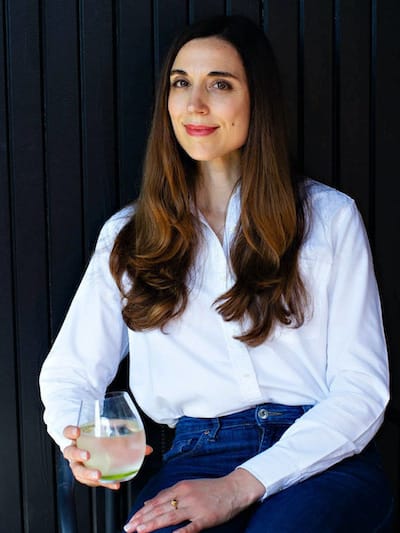
Hi! I’m Elaine, a Certified Nutritionist and Master Certified Health Coach. I support women in achieving their health and body goals while prioritizing a peaceful and balanced relationship with food.
Get a free copy of my handbook!
The Elegant Eating Handbook: Timeless Strategies for Lasting Weight Loss and a Peaceful Relationship with Food.