
We eat for so many reasons beyond physical hunger.
We eat to celebrate, unwind, reward ourselves after a long day, or distract ourselves from feelings like stress, boredom, loneliness, or overwhelm.
Most of us never learned how to truly feel our emotions. So instead, we reach for food.
And often, we don’t even realize we’re doing it.
What Emotional Eating Really Looks Like
When you hear the term emotional eating, what comes to mind?
Maybe it’s a woman crying into a pint of ice cream after a breakup—a scene we’ve all seen in movies.
But emotional eating isn’t always so dramatic. In fact, it’s usually far more subtle.
It can look like:
- Snacking when you’re bored
- Pouring a glass of wine to take the edge off
- Reaching for something sweet while procrastinating
- Treating yourself with food after a hard day
There doesn’t have to be a major crisis. No tears, no ice cream, no heartbreak.
Just a habit. One that quietly derails your progress over time.
Why Emotional Eating Sabotages Weight Loss
You can have the perfect nutrition plan…
You can understand macros, portions, and calorie balance…
But if emotional eating is the real reason you’re overeating, no amount of diet knowledge will help.
Here’s why:
When you eat only when you’re physically hungry and stop when you’re satisfied, weight loss becomes much more straightforward.
But for many women, food has become a way to soothe discomfort, not just hunger.
And every time you eat in response to emotion—rather than true hunger—you’re giving your body extra fuel it doesn’t actually need. Which often means more calories than your body can use.
The act of not eating? That’s the easy part.
The real challenge is sitting with whatever emotion surfaces when you don’t reach for food.
Because now, you’re left to feel what you were trying to avoid.
What Are You Afraid to Feel?
This is the powerful question I often pose to my coaching clients:
What are you afraid of feeling if you don’t eat?
Sometimes it’s stress.
Sometimes it’s anxiety.
Sometimes it’s simply boredom.
The irony? Most emotions aren’t as scary as we imagine.
At the end of the day, an emotion is just a vibration in your body.
If you’re willing to feel that sensation—without trying to numb it—it usually passes quicker than you think.
Try this:
- Notice what comes up when you don’t reach for food.
- Describe the feeling as a physical sensation (e.g. “tightness in my chest”) instead of labelling it as just “stress.”
- Ask yourself: What thought is creating this feeling?
The more willing you are to feel instead of fix, the more power you have to change the habit.
The Cost of Numbing with Food
Yes, food can offer a moment of relief.
But what’s the net result afterward?
Often:
- Regret
- Shame
- Discomfort
- More cravings
- Weight gain
- Feeling out of control
And when the repercussions add up, it often fuels the urge to eat more, creating a vicious cycle that’s hard to break.
Breaking the Cycle of Emotional Eating
This is the real work.
It’s not about “stopping snacking” or cutting sugar.
It’s about changing the way you relate to your emotions.
Here’s what helps:
- Practice awareness. Notice the urge to reach for food before you react.
- Allow the urge. Don’t resist it. Sit with it.
- Ride it out. Most urges only last a few minutes.
- Reflect. What emotion are you avoiding? What do you really need?
This takes practice. But every time you interrupt the automatic habit—even just once—you build emotional resilience and self-trust.
Ready to break the cycle of emotional eating—and create sustainable weight loss results you can sustain?
Learn more about my 1:1 coaching program.

Hi! I’m Elaine, a Certified Nutritionist and Master Certified Health Coach. I support women in achieving their health and body goals while prioritizing a peaceful and balanced relationship with food.
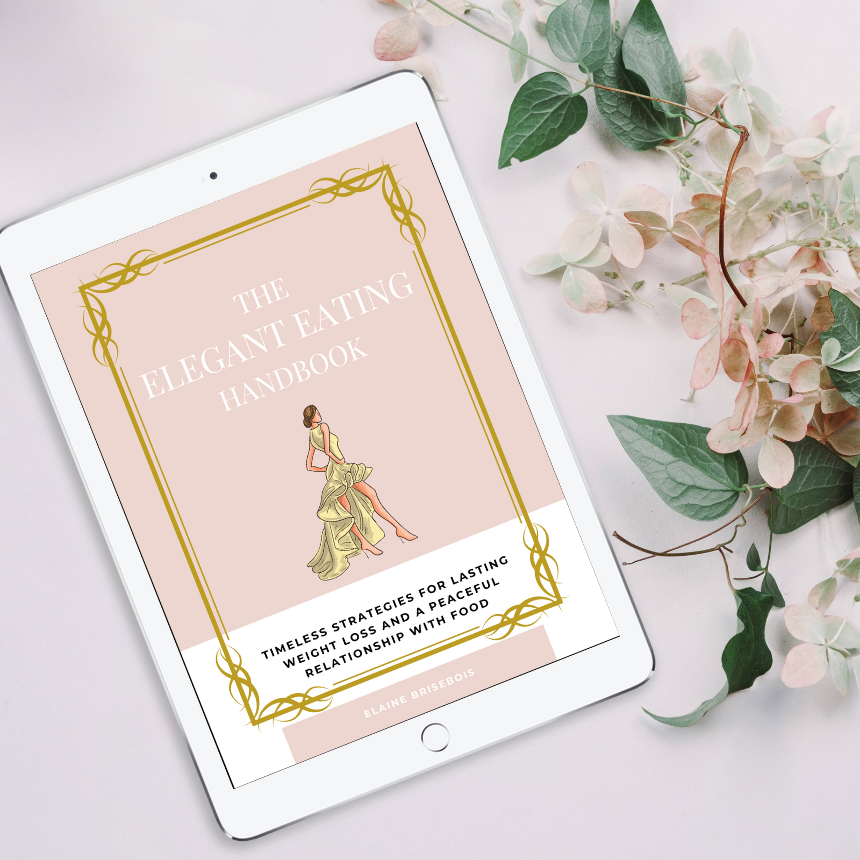
Get a free copy of my handbook!
The Elegant Eating Handbook: Timeless Strategies for Lasting Weight Loss and a Peaceful Relationship with Food.
share with friends
keep reading...



[…] For more on Emotional Eating, please read this post here. […]
[…] Don’t rush to bury it or numb it with food (or wine). […]
[…] 3. Get a Handle on Emotional Eating (and limit overeating in general)… […]
[…] it be hard.Feel what you’re feeling.Don’t rush to bury it or numb it with food (or wine, or scrolling, or […]