
Part of the work I do in my private coaching program is helping my clients create a food protocol that aligns with their goals and desired results.
But what exactly is a protocol—and how is it different from a meal plan?
Let’s break it down.
What Is a Food Protocol?
A food protocol is a personalized framework that helps guide your daily choices around food (and often lifestyle).
It may include:
- Parameters you want to follow
- Habits you want to build
- Foods you want to include or avoid
- Flexibility for planned exceptions
It can also go beyond food to include things like exercise, sleep routines, or alcohol boundaries.
Think of it as the “action plan” behind your goals.
It provides just enough structure to reduce decision fatigue—while still leaving room for real life.
Why My Clients Create Their Own Protocols
One of the most important aspects of this process?
My clients fully participate in designing their own protocol.
I offer guidance, nutritional insight, and coaching support—but ultimately, she decides what she’s willing (and not willing) to commit to.
The result is a protocol that’s:
- Based on her unique tastes and preferences
- Adapted to her work schedule and lifestyle
- Designed around her social calendar
- Aligned with her desired outcomes
It’s about ownership, not obedience.
A Protocol vs. a Meal Plan
Let’s be clear:
A protocol is not a meal plan.
If I were to hand my client a pre-made meal plan, it would likely feel like another “diet” to follow (and eventually rebel against).
I’ve created plenty of meal plans over my career as a nutritionist—but I never expect anyone to follow them perfectly. At most, they serve as inspiration or context.
When a client chooses to work with me, I make it clear:
👉 I’m not selling a meal plan.
I’m offering something more powerful—a sustainable way of eating that feels enjoyable, flexible, and aligned with your goals and life.
How We Build It
When we build a protocol, I usually recommend committing to it for at least 2 weeks—ideally longer.
But here’s the key:
Follow it as precisely as possible during that timeframe.
Why? Because without consistency, it’s hard to evaluate what’s working (and what’s not).
One of the best ways to stay consistent is with a simple food journal—just jot down what you actually ate at the end of each day.
Most of us forget the little bites, handfuls, and snacks.
Writing it down gives you a much clearer picture.
A Protocol in Action (Sample)
If you’re curious what a protocol might look like, here’s an example from one of my clients.
This is not a prescription—it’s simply one version of what she decided to follow.
Sample Protocol
Duration: 2 weeks (minimum)
Foods to include:
Whole and minimally processed foods; limited grains
Foods to exclude:
Flour-based foods, added sugars, deep-fried foods, alcohol
(with the exceptions below)
Exceptions:
- 2 glasses of wine per week
- A few squares of 85% dark chocolate for dessert
Fasting/Eating Windows:
- 16:8 (16 hours fasting / 8 hours eating) — 3x per week
- 12:12 (12 hours fasting / 12 hours eating) — 4x per week
- 3 meals per day
This is a simple, flexible structure that takes a lot of decisions off the table—especially by cutting out flour and sugar, which sneak into even seemingly “healthy” foods.
You’ll also notice that terms like “whole and minimally processed foods” aren’t overly specific. That’s intentional.
There’s still plenty of room for personal flexibility and food choice—which is exactly what makes this work long term.
From here, she’ll make a loose daily plan with rough meal ideas and serving sizes.
She also plans ahead for treats and alcohol—because intentional indulgence always beats reactive consumption.
Tweak, Refine, Repeat
The perfect protocol is the one that works for you.
And just like your body, life, and goals—your protocol will evolve over time.
- As your food preferences change, so can your protocol.
- As your body adapts, you may need to shift it.
- The protocol you follow to lose the first 10 pounds might look very different from the one that helps you lose the last 10.
- It should evolve with the seasons—whether it’s a shift in the weather or a shift in your priorities, routines, or stage of life.
If it’s working—great. Wash, rinse, repeat.
If it’s not, make adjustments.
You’re not married to one way of eating forever.
Want Help Building Yours?
Inside my 1:1 coaching program, we work together to create a flexible, personalized protocol that fits your real life and actually gets results—without overwhelm.
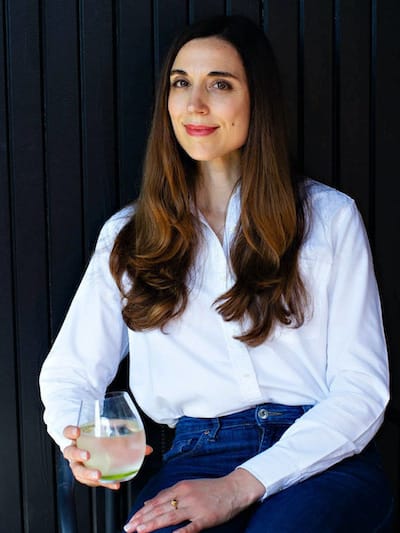
Hi! I’m Elaine, a Certified Nutritionist and Master Certified Health Coach. I support women in achieving their health and body goals while prioritizing a peaceful and balanced relationship with food.
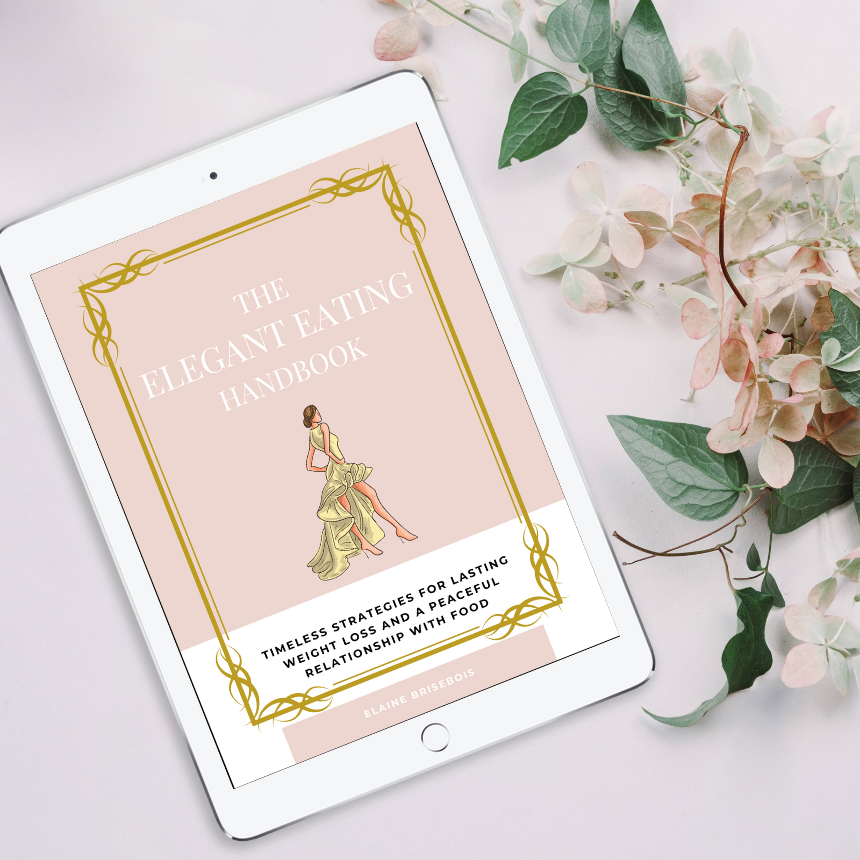
Get a free copy of my handbook!
The Elegant Eating Handbook: Timeless Strategies for Lasting Weight Loss and a Peaceful Relationship with Food.
share with friends
keep reading...



[…] ← Previous […]
[…] you already have a personal protocol as your framework, the 24 hour plan takes it a step further because you actually plan out your […]
[…] is why a part of the work I do with my clients is helping them create a personalized protocol that allows them to reach their goals while still living their lives at the same […]
[…] is why it’s essential to create a protocol that works for you and your life, rather than blindly following someone else’s diet or meal […]
[…] is why I help my clients build a protocol that works for them, where they get to take personal responsibility for what they will […]